

silver beveled mirror
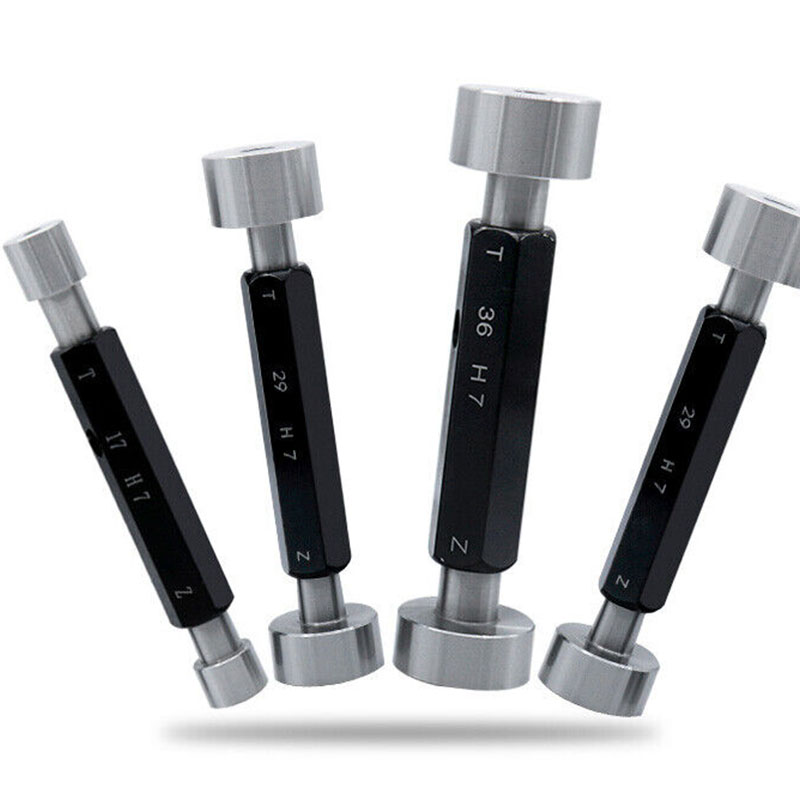
Understanding Master Ring Gage Precision Measurement Tools in Manufacturing In the demanding world of manufacturing, precision is paramount. Every component, no matter how small, must meet rigorous specifications to ensure compatibility, safety, and performance. Among the essential tools in quality control are gages, which are used to validate that parts meet their design requirements. One specific type of gage that plays a crucial role in this process is the master ring gage. What is a Master Ring Gage? A master ring gage is a cylindrical tool designed to measure the external diameters of an object. It provides a reliable means of checking the size and tolerances of cylindrical parts, such as shafts, bolts, and fittings. The master ring gage typically consists of two main features the go and no-go sides. The go side indicates the minimum acceptable size, while the no-go side denotes the maximum allowable size. This dual-design ensures that the part being measured conforms to its specified tolerances. The master ring gage is usually made from high-grade steel, sometimes accompanied by a protective coating to enhance durability and resistance to wear. The manufacturing process involves precise machining to achieve the exact measurements required. Consequently, these gages provide a high level of accuracy, with tolerances often reaching micrometer levels, making them indispensable in sectors where precision is critical. The Importance of Master Ring Gages 1. Quality Assurance Master ring gages play a pivotal role in quality assurance processes. By verifying the dimensions of critical components, manufacturers can ensure products are built to specification, reducing the risks of malfunctions and failures in the final application. This is especially vital in industries such as aerospace, automotive, and medical device manufacturing, where component failure can have catastrophic consequences. 2. Standardization Using master ring gages helps establish industry standards. When manufacturers calibrate their measuring instruments against a master ring gage, it creates a consistent basis for measurement across different tools and processes. This standardization facilitates better communication and collaboration between manufacturers and their suppliers, ensuring that all parties are aligned on specifications. 3. Cost Efficiency Implementing master ring gages in the manufacturing process can lead to significant cost savings in the long run. By catching dimensional errors early in production, companies can minimize scrap rates and reduce the need for costly rework. This efficiency not only lowers material costs but also improves overall productivity. master ring gage 4. Regulatory Compliance Many industries are governed by strict regulatory requirements that dictate the dimensions and tolerances of components. Master ring gages aid manufacturers in demonstrating compliance with these regulations, ensuring products can be certified for sale and use in their respective markets. Proper Usage and Maintenance To maximize the effectiveness of master ring gages, proper usage and maintenance are essential. Here are some key practices manufacturers should adopt - Regular Calibration Master ring gages should be calibrated regularly to ensure accuracy. This process often involves comparing the gage against a known standard and making any necessary adjustments. - Storage Conditions To maintain their precision, master ring gages should be stored in a controlled environment, away from moisture, extreme temperatures, and dust. Protective cases and specifically designed racks can safeguard gages from damage. - Cleanliness Before use, it's crucial to clean gages and the parts being measured to eliminate any contaminants that may affect the measurement. Using lint-free cloths and appropriate cleaning solutions can help achieve this goal. - Handling Protocol Careful handling is vital to prevent any physical damage to the gage itself. Operators should be trained to handle the gages delicately, avoiding dropping or impacting them in any way. Conclusion Master ring gages are invaluable tools in precision manufacturing, ensuring that components meet specified tolerances and quality standards. By facilitating rigorous quality control, supporting standardization, enhancing cost efficiency, and aiding regulatory compliance, these gages contribute significantly to the integrity and success of manufacturing operations. As industries continue to evolve, the importance of such precise measurement tools will only grow, reaffirming the need for continuous investment in quality assurance practices within manufacturing settings.
about
silver beveled mirror
The Significance of the Right Angle Ruler in Geometry and Construction The right angle ruler, often referred to as a framing square or a carpenter's square, is an essential tool in both geometry and various forms of construction. This vital instrument enables users to draw and measure precise right angles, which are fundamental to achieving accuracy in architectural designs and woodworking projects. The right angle formed by the ruler—90 degrees—is the backbone of many structural elements, ensuring stability and aesthetic harmony. In geometry, the right angle ruler demonstrates the principles of Pythagorean theorem, which states that in a right triangle, the square of the length of the hypotenuse is equal to the sum of the squares of the other two sides. This relationship is not merely theoretical; it has practical applications in fields ranging from engineering to graphic design. By using a right angle ruler, practitioners can easily create right triangles, thus validating the theorem and facilitating complex calculations. The construction industry relies heavily on the right angle ruler for laying out foundations, framing walls, and aligning structures. A minor error in measurement can lead to significant structural inadequacies. The use of a right angle ruler mitigates this risk by ensuring that all corners are perfectly squared . This tool provides a level of precision that is vital for the integrity of buildings, bridges, and other structures. Carpenters, masons, and architects utilize a right angle ruler as a standard practice to ensure that all elements meet at correct angles, thus ensuring safety and functionality. right angle ruler Beyond its practical applications, the right angle ruler has become a symbol of craftsmanship and quality. In woodworking, for instance, achieving a perfect right angle is often equated with skill and precision. Craftsmen take pride in their ability to manipulate the ruler, combining it with hand tools to produce exquisite pieces of furniture or intricate designs. The right angle ruler also plays a significant role in teaching the principles of geometry and spatial awareness to students, making it a staple in educational settings. Moreover, the development of modern technology has enhanced the traditional right angle ruler. Digital versions and laser measurement tools that incorporate right angles have emerged, providing even greater accuracy and ease of use. However, the fundamental concept remains the same. Whether one is using a standard metal square or a digital tool, the importance of the right angle endures. In conclusion, the right angle ruler is more than just an instrument; it is a fundamental component that underpins our understanding of geometry and construction. From ensuring the stability of structures to fostering creativity in design, the right angle ruler continues to serve various industries with unmatched reliability and precision. It stands as a testament to the importance of accuracy in both practical applications and artistic endeavors, maintaining its relevance in an ever-evolving technological landscape.
-

High quality industrial productsagement

High quality industrial products
View Details -

Meet the diverse needs of customers

Meet the diverse needs of customers
View Details -

Strict quality control

Strict quality control
View Details -

Top raw materials

Top raw materials
View Details -

Trusted supplier

Trusted supplier
View Details
Our application
news and information

valve china
Valve Corporation, a name synonymous with gaming excellence and innovation, has strategically establ
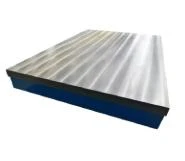
V-Block Technology Revolutionizing Manufacturing Precision and Efficiency
The Paradox of V Block V Block Navigating the Dual Realities of Virtual and Physical Worlds In the
Water Control Valves_ Essential Components for Fluid Regulation
When it comes to fluid management systems, water control valves are indispensable for ensuring effic
 English